
5 Core Drivers of Mobile App Development Costs
By OneCode Team 12 min read | August 2025
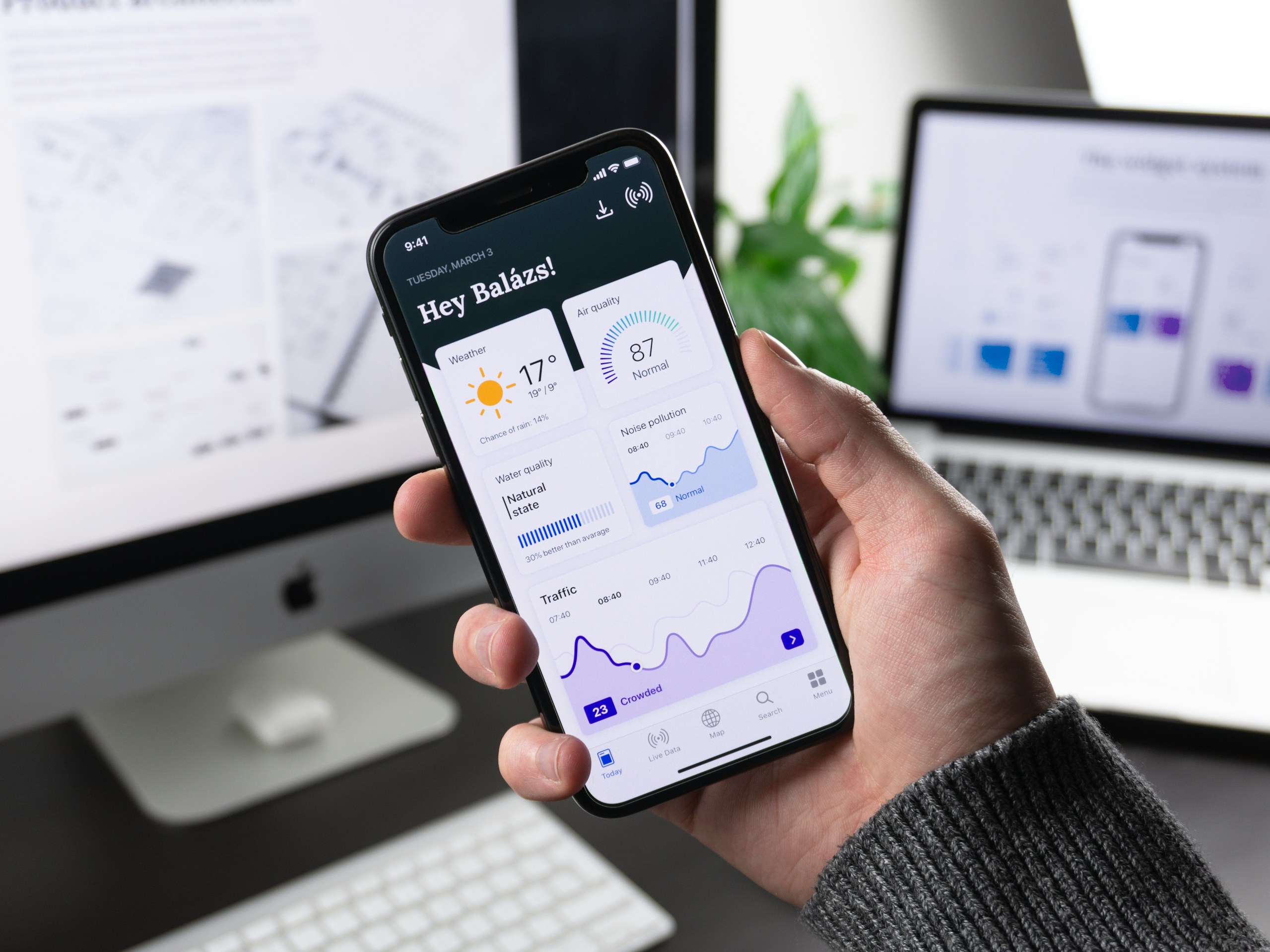
Building a mobile application is often compared to constructing a house: the more details, rooms, and custom features you add, the higher the overall cost. Whether you’re launching a lean MVP or aiming for a sophisticated product, several key factors determine the final budget. At OneCode, we’ve seen how these variables play out across projects of all sizes, and we’ve distilled them into five essential cost drivers.
1. Chosen Platforms & Devices
The very first cost driver is where your app will run. Will it be built for iOS, Android, or both? Do you need support for tablets in addition to smartphones?
| Single platform first: Many startups launch on just one OS to validate the idea before expanding. | Cross-platform approach: A single codebase covering both iOS and Android can save money upfront but sometimes comes with performance trade-offs. | Feature trimming: Another option is to release a lighter version with only the most critical functions. |
Your target market’s habits should guide the choice. For instance, if 95% of your audience uses Android, starting there can reduce early costs.
2. App Features & Complexity
Features define both value and price. The more complex the functionality, the more development hours (and budget) required.
Cost-driving features include:
- Video/audio streaming
- Geolocation and maps
- Secure payments and in-app purchases
- Real-time messaging
- Offline access
- Hardware integrations (camera, NFC, etc.)
Sometimes a feature is essential to competitiveness; other times, it’s better left for later releases. At OneCode, we always recommend a Discovery Phase to validate which features are worth the investment.
3. UX/UI Design Effort
Design isn’t just about looks—it’s about guiding users to take action intuitively. But design also represents a significant portion of development costs.
Factors impacting design costs:
| Complexity: Extra animations, custom graphics, and unique interactions raise the price. | Number of screens: A small app may have 5–7 screens, while large applications can exceed 20. | Platform conventions: iOS and Android have distinct design guidelines—ignoring them usually hurts adoption. | Expertise & region: A senior designer in the US may charge €150–200/hour, while costs in Eastern Europe or Asia may be significantly lower. |
Prototyping early can help save costs by clarifying user flows before full design work begins.
4. Team Size & Roles
The scale of your development team is another major factor. A small MVP might need only:
Use icons to visualise this
| 1 developer | 1 UX/UI designer | 1 QA tester | 1 project manager |
Meanwhile, larger systems often involve backend developers, multiple frontend/mobile engineers, analysts, and even DevOps specialists. The more roles involved, the higher the cost.
5. Development Team Location
Geography has a huge impact on hourly rates:
- North America: €150–200/hour
- UK & Australia: €100–150/hour
- South America: €50–100/hour
- Eastern Europe: €25–80/hour
- India & Asia: €10–50/hour
That’s why many companies choose outsourcing partners strategically, balancing cost efficiency with quality.
Wrapping Up
Mobile app development is not just about coding screens—it’s about making smart choices around platforms, features, design, and team structure. Costs vary, but with a structured Discovery Phase and a clear roadmap, businesses can control spending while building a competitive product.
At OneCode, we help companies prioritize features, optimize design, and assemble the right team so that projects stay within budget without sacrificing quality.
If you’re curious about how much your project might cost, reach out to us for a free initial estimation.